#Business Messaging #Google #RCS
Figure of the Month – September 2026
1 min
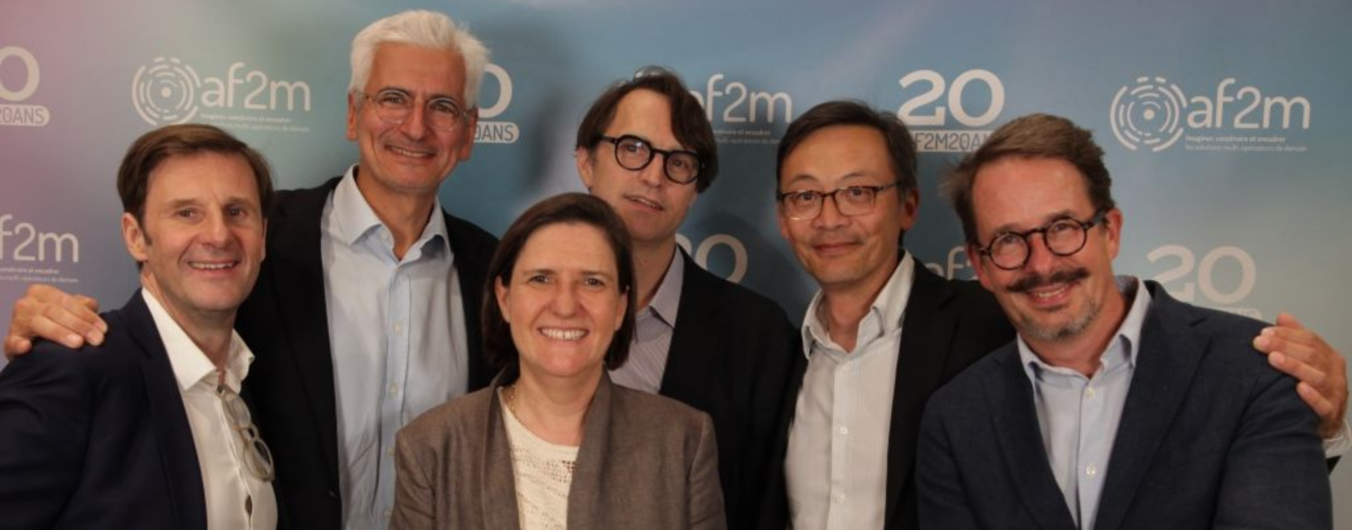
The French Association for the Development of Multi-operator Multimedia Services and Uses (AF2M) renewed its leadership for the 2025-2027 period during its assembly on October 15. Alexis Trichet (Orange) thus takes over from Renan Abgrall, Director of the Value Factory at Bouygues Telecom. The latter reflects on AF2M’s missions and his four years as president of this key organization in the French digital ecosystem.

Renan: AF2M is an association that brings together all French telecom operators as well as partner associations. Together, we develop innovative solutions to address major digital challenges.
French companies wishing to offer services accessible to all citizens often have to choose between collaborating with GAFA (Google, Apple, Facebook, Amazon) or working with local operators. For over 20 years, AF2M has been offering solutions adapted to all French people, regardless of their operator, to support local innovation.
Renan: In its early days, AF2M focused on interactive services like TV games. Over time, it expanded its scope to include services such as subscribing to platforms like Netflix via operator billing, donating by SMS, or purchasing transport tickets directly from a mobile phone.
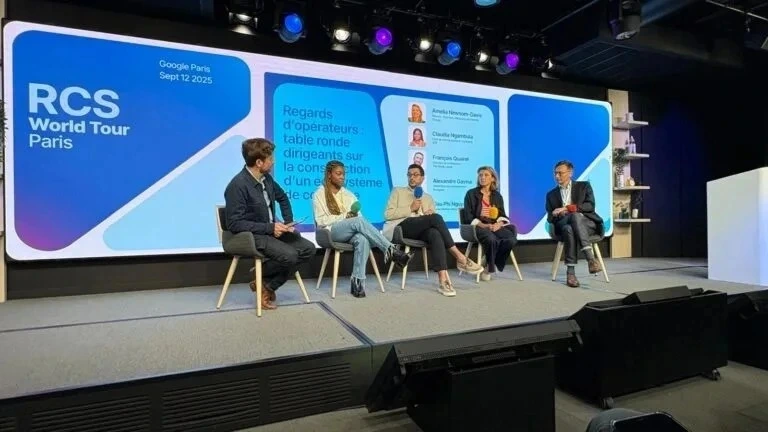
France is also a pioneer in the deployment of RCS (Rich Communication Services), an enriched messaging technology compatible with nearly 85% of smartphones. This innovation allows French brands to communicate effectively with their customers. To ensure the success of these technical solutions, national coordination is essential, and that’s where AF2M plays a central role.
Furthermore, the association works towards self-regulation to ensure an optimal user experience. For example, it manages the 33 700 platform, dedicated to reporting fraudulent SMS and spam, thereby helping to block SIM cards used for malicious purposes. (https://www.33700.fr)
Renan: When I took office, it was crucial to accelerate digital transformation by fostering close collaboration among market players. As president, I oversaw the association’s operations while strengthening its visibility and legitimacy with other organizations (such as the French Telecoms Federation or the Digital Alliance) and public institutions (Arcep, DGCCRF…).
This role required transcending the individual interests of companies to meet the needs of a market seeking coordinated innovations. It was a rewarding experience and a source of pride, as it allowed me to see how much French operators are at the forefront of innovation.
Renan: These past few years have been particularly intense! We supported the growth of professional SMS usage following the Covid-19 pandemic, as well as the rise of bill payment and the implementation of adapted metrics.
In 2024, companies sent 14.2 billion Push SMS, an increase of 6% compared to the previous year. These messages are divided into 60% transactional SMS (access codes, notifications, delivery tracking) and 40% promotional SMS (advertising, direct marketing…).
We also supported the development of segmented TV, launched in 2021, which allows for personalized advertising based on viewer profiles. In 2024, this technology saw a 61% growth, with 11.2 million eligible households.
Finally, the “Mobile ID” APIs, which secure phone numbers against fraud, were adopted by the GSMA to become international standards. This perfectly illustrates the global impact of AF2M’s initiatives.
Renan: Alexis will have to continue the innovation work, particularly around segmented TV and data, while revitalizing the use of SMS for brands through RCS, in the face of competition from WhatsApp (Meta).
APIs like “Mobile ID” or “Branded Call,” which certify the identity of callers to strengthen consumer trust, will also be priorities. Finally, a major challenge will be to reduce the carbon footprint of video streams on our networks, by relying on technologies like MABR (Multicast Adaptive Bitrate) and by raising awareness among publishers about digital sobriety.
Note: The GSMA (Global System for Mobile Communication) is an international organization representing the interests of over 750 mobile operators and manufacturers in 220 countries.